New tower or 1980s building: what Florida's reserve laws mean for your dues
The law that changed the math on old buildings

- Age of first milestone inspection
- 30 years
- Age of first milestone inspection
- Repeat inspections and reserve studies
- Every 10 years
- Repeat inspections and reserve studies
- Cost threshold for other reserve study items
- $25,000
- Cost threshold for other reserve study items
- Budgets from this date fully fund reserves
- Dec 31, 2024
- Budgets from this date fully fund reserves
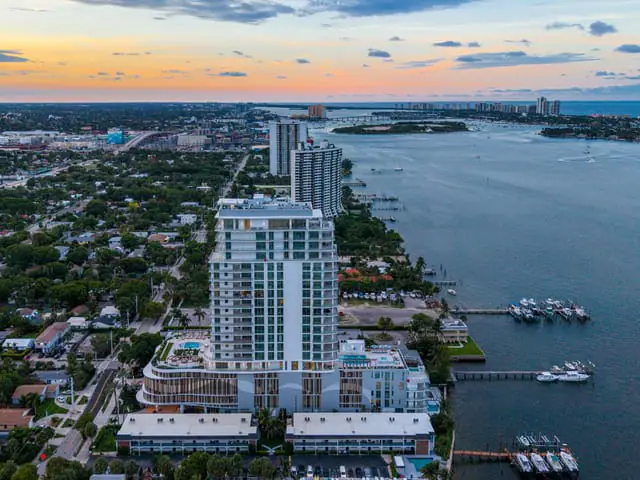
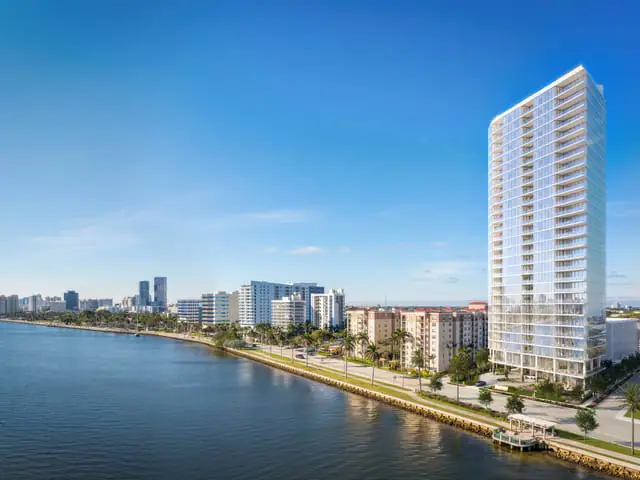
After Surfside, Florida passed a 2022 law and three rounds of amendments. Every condominium building of three habitable stories or more now needs a milestone structural inspection by the end of its 30th year, then every ten years, and must fund structural reserves from a study rather than a vote. A tower delivering in 2027 meets its first inspection in the late 2050s; a 1980s Flagler Drive building meets it now. The difference already shows in what owners pay each month and what their buildings sell for.
The short answer
- Milestone inspections are required at 30 years and every 10 years after for buildings of three stories or more.
- A local building official may require the first inspection at 25 years, based on conditions such as proximity to salt water.
- Structural Integrity Reserve Studies are required at least every 10 years, and budgets adopted after December 31, 2024 cannot under-fund the listed items.
- A developer-controlled association may not waive reserves before turnover, and it must deliver a sealed turnover report with a reserve study.
- New buildings carry 3-year implied warranties on each residence and up to 5 years on the structure under section 718.203.
Milestone inspections arrive at 30 years and sometimes sooner
Section 553.899 defines a milestone inspection as a structural inspection of the load-bearing elements. A licensed architect or engineer performs it by December 31 of the year a building reaches 30 years of age, then every ten years thereafter.
A local enforcement agency may set the first inspection at 25 years, based on local circumstances including proximity to salt water. The statute sets no fixed three-mile rule. Phase one is visual; phase two adds testing and is required only if phase one finds substantial structural deterioration.
Structural reserves are now set by study and cannot be voted away
Section 718.112 requires a Structural Integrity Reserve Study at least every ten years for each building of three stories or more. It covers the roof, structure, fireproofing and fire protection, plumbing, electrical, waterproofing and exterior painting, windows and exterior doors. It also covers any item whose deferred maintenance or replacement would cost over $25,000.
For budgets adopted on or after December 31, 2024, an association may not provide less in reserves than the study requires for those items. Before turnover, a developer-controlled association may not vote to waive or reduce them.
At turnover, section 718.301 requires the developer to deliver a report under the seal of an architect or engineer. It contains a reserve study for the seven structural categories. A second report covers the elevators and the heating and cooling, along with pools, seawalls, pavement, drainage and irrigation.
What the law means for a new tower and an older building
A new residence carries a warranty an older one does not
Section 718.203 deems the developer to have granted an implied warranty of fitness and merchantability. Each residence is covered for three years from completion of the building, and the common improvements for three years as well.
The roof and structural components are covered, as are the building-serving mechanical, electrical and plumbing systems, for three years from completion or one year after owners take control of the association, whichever is later. That coverage is capped at five years. Appliances carry the manufacturer's warranty, and other property conveyed with the residence carries one year. Contractors and suppliers give parallel warranties that run to purchasers as well as to the developer.
General information, not legal or tax advice. Statutes change and the sources are dated. For every new tower with its figures and floor plans, open the index.
Questions this article answers
When is a milestone structural inspection required for a Florida condo building?
A milestone inspection is due by December 31 of the year a building of 3 habitable stories or more reaches 30 years of age, then every 10 years after. A licensed architect or engineer performs it and it covers load-bearing elements.
Can a Florida condo's first milestone inspection be required at 25 years?
Yes. A local building official may set the first inspection at 25 years based on local circumstances, including proximity to salt water. Section 553.899 sets no fixed 3-mile rule, so the trigger depends on the local enforcement agency rather than a set distance from the coast.
What are the 2 phases of a Florida milestone inspection?
Phase 1 is a visual inspection of the building's structure. Phase 2, which adds testing, is required only if phase 1 finds substantial structural deterioration. Both are performed by a licensed architect or engineer under section 553.899.
What does a Structural Integrity Reserve Study cover in Florida?
Under section 718.112 the study covers the roof, structure, fireproofing and fire protection, plumbing, electrical, waterproofing and exterior painting, and windows and exterior doors. It also covers any item with a deferred maintenance or replacement cost over $25,000, and it must be redone at least every 10 years.
Can a Florida condo association still waive structural reserves?
Not for the items in the structural study. For budgets adopted on or after December 31, 2024, an association may not provide less reserves than the Structural Integrity Reserve Study requires. Before turnover, a developer-controlled association may not vote to waive or reduce them either.
What must a developer deliver at turnover of a new Florida condo association?
Section 718.301 requires a report under the seal of an architect or engineer containing a reserve study for the 7 structural categories. A second report covers elevators, heating and cooling, pools, seawalls, pavement, drainage and irrigation.
What warranty comes with a new condo unit in Florida?
Section 718.203 gives an implied warranty of fitness and merchantability of 3 years on each unit from completion of the building. The roof, structure and building-serving mechanical, electrical and plumbing systems are covered 3 years from completion or 1 year after owners take control, whichever is later, capped at 5 years.
When is the first milestone inspection due for a condo tower delivering in 2027?
About 2057, in the late 2050s. The tower's reserve budget is also set by study before turnover and cannot be waived, so a buyer in a 2027 tower is not catching up on decades of waived reserves.
Why are special assessments rising in older Flagler Drive condo buildings?
For a 1980s building on Flagler Drive the milestone inspection is due now and the listed reserves must be fully funded after decades of waivers. Many corridors are seeing special assessments for concrete, seawalls and windows, and premiums on older construction are rising.
SourcesShow
- Section 553.899, Florida Statutes: Mandatory structural inspections for condominium and cooperative buildingsFlorida Legislature · 2026
- Section 718.112, Florida Statutes: BylawsFlorida Legislature · 2026
- Section 718.301, Florida Statutes: Transfer of association controlFlorida Legislature · 2026
- Section 718.203, Florida Statutes: WarrantiesFlorida Legislature · 2026